When you think of ways to protect your hearing, you probably imagine wearing earplugs, attending routine hearing evaluations, or using hearing aids. But there’s another powerful, often overlooked, hearing preservation tool: your diet.
That’s right. The foods you eat can play a significant role in how well your ears function. Just like your heart and brain, your ears rely on a steady stream of essential nutrients to keep working at their best. In recent years, researchers have found growing evidence that nutrition may help reduce the risk of age-related and noise-induced hearing loss.
Let’s explore how your grocery list can help protect your hearing for years to come.
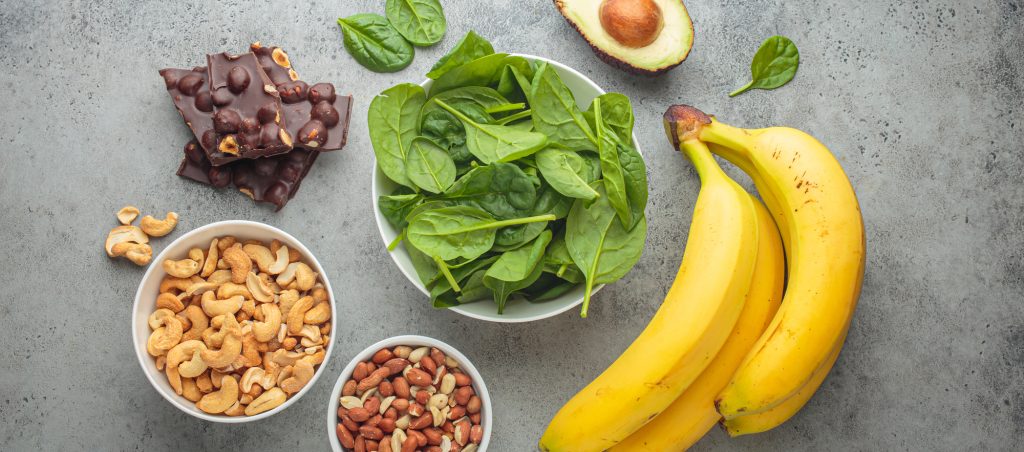
Leafy greens like spinach, kale, and romaine lettuce are packed with folate (vitamin B9), which helps improve blood circulation. This is especially important for the sensitive hair cells within the inner ear that detect sound waves. These cells don’t regenerate once damaged, so keeping them healthy with nutrient-rich blood is essential.
Research has shown a clear link between low folate levels and a greater risk of hearing loss as we age. One large study in the American Journal of Clinical Nutrition found that men with higher folate intake were less likely to develop age-related hearing issues.
Other folate-rich choices include lentils, asparagus, Brussels sprouts, broccoli, and fortified cereals.
Fish such as salmon, tuna, mackerel, and sardines are rich in omega-3 fatty acids, which reduce inflammation and help keep blood vessels healthy. That improved circulation benefits the structures within your ears—helping preserve hearing over time.
According to the American Journal of Clinical Nutrition, individuals who consumed fish at least twice per week had a much lower risk of developing hearing loss. Omega-3s also benefit the brain, which works closely with your ears to interpret sounds.
Not a big fish eater? Walnuts, flaxseeds, and chia seeds offer plant-based omega-3s as well.
Most of us turn to vitamin C for immune support, but it also serves as a potent antioxidant. It helps protect the inner ear from oxidative stress—a major contributor to hearing damage over time.
Oxidative stress can harm delicate ear cells and reduce overall hearing ability. Including vitamin C-rich foods in your diet can help safeguard those cells and promote long-term auditory health.
Citrus fruits like oranges and grapefruits are top picks, but you’ll also find vitamin C in strawberries, bell peppers, tomatoes, and kiwi.
Magnesium may not get as much attention as other nutrients, but its role in hearing protection is important—especially when it comes to exposure to loud noises. Magnesium helps protect blood vessels from narrowing during noise exposure, which ensures the inner ear continues receiving enough oxygen and nutrients.
Research has shown that individuals who received magnesium before being exposed to loud noise experienced less hearing damage than those who did not.
Add more magnesium to your meals with foods like avocados, bananas, spinach, black beans, and whole grains.
Zinc is essential for a strong immune system, which plays a role in preventing ear infections that can damage hearing. It also supports the body’s natural healing process, including recovery in the inner ear after damage or stress.
One study in The Journal of Nutritional Biochemistry reported that zinc supplements helped people recover more quickly from sudden sensorineural hearing loss.
Zinc is plentiful in foods like pumpkin seeds, chickpeas, cashews, peanuts, and almonds.
You might be surprised to learn that dark chocolate can be a hearing-friendly treat. It contains antioxidants that help reduce inflammation and oxidative damage, and it offers a small dose of zinc as well.
While moderation is key, a small piece of dark chocolate now and then could be a delicious way to help keep your ears in good shape.
Your ears may be small, but they’re part of a complex system that thrives when your body is well-nourished. A balanced diet full of fresh vegetables, lean proteins, whole grains, and healthy fats can play a key role in preserving your hearing and preventing age-related loss.
At The Hills Hearing Center, we believe that hearing care should take your whole health into account. Protecting your ears from excessive noise, staying active, avoiding tobacco, and attending regular hearing checkups—all work together with good nutrition to support lifelong hearing.
So next time you sit down for a meal, remember: you’re not just feeding your body—you’re also caring for your ears.
Want to learn more about preserving your hearing? Schedule a consultation today with The Hills Hearing Center. We’re here to help you live life with clarity, confidence, and connection.